And you thought flying was expensive.
We’ve all seen the price of airline tickets skyrocket in the past year as jet fuel costs continue to soar and lower competition means less options. But another means of travel — one that commuters use daily — is also in the spotlight.
Major cities across the globe have metro systems where millions of people commute to and from work every day. Recently, a digital financial services company, Remitly, conducted a study to spot which city had the highest ticket prices — for both single and annual costs.
Remitly revealed that London and New York held the highest annual ticket prices Remitly
The Washington-based behemoth manually researched the prices for 94 metro systems worldwide — focusing on the average cost of a single ticket and the annual cost of metro travel from August 2026.
The company said it calculated the costs based on the average wages in each city, using net national income per capita data from the World Bank.
According to its team, researchers considered a wide variety of factors to come up the costs:
So which metro is the winner taking all the cash annually — the London Underground. The Tube took the cake, coming in at £2,100 — the equivalent of around $2,817 USD.
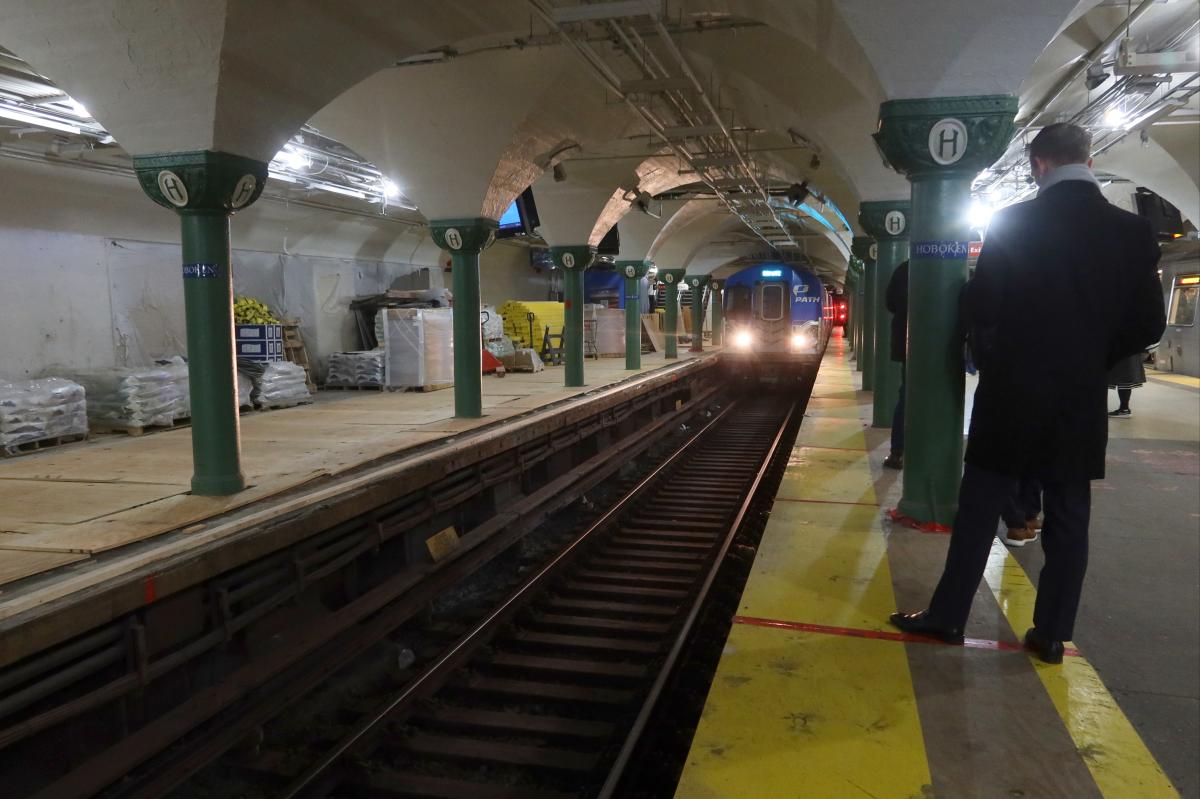
The company found New York’s PATH came in second place for the world’s most expensive metro systems — costing millions of commuters a whopping $1,578. Just note that number only represents an annualized commuting cost.
It’s not a single ticket or even what every PATH rider spends.
For Gothamites — or those commuting into the city — that number may feel small, as other PATH riders have revealed they spend upwards of $6,625 per year when factoring in all of the other commuting costs.
The PATH took second place, as the study found annual tickets cost commuters $1,578 Getty Images
In a blog post from a writer dubbed Island in the Net, they posted a breakdown of what they spent after years of commuting into The Big Apple.
“NJ Transit trains, PATH, and ferries each came with their own set of high costs, long commutes and crowded cars. You either paid heavily with money or time — often both,” the writer wrote.
Here’s how they broke it down:
Those numbers may represent a more accurate picture, as millions take multiple modes of transit to come into The City.
Now onto the single ticket offenders.
The metro with the highest price of single tickets was the Lausanne Metro in Switzerland, coming in at the equivalent of about $7.22 USD. Denmark’s Copenhagen Metro came in a close second, charging $6.54.
While New York City’s MTA subway system didn’t make the official list, here’s how it compares using its newer primary fare-payment system, OMNY, which replaced the MetroCard this year. Because OMNY works differently from the old unlimited MetroCards, The Post broke down the costs using a similar annualized metric to the Remitly study.
A New Yorker taking two subway rides every day — to and from work — could spend approximately $2,190 annually without accounting for OMNY’s weekly fare cap.
However, frequent riders can take advantage of OMNY’s $35 weekly fare cap — which offers unlimited subway and local bus rides for the rest of the seven-day period once they’ve paid for 12 rides.
Assuming riders hit that cap every week, their annual transportation bill would be about $1,820. The commuter taking two rides every day would otherwise spend $2,190, but OMNY’s weekly cap saves them approximately $370 a year.
Here’s the breakdown:
Source link